Afghan Culture ID
The Afghan culture in Crusader Kings III.
Afghan Culture
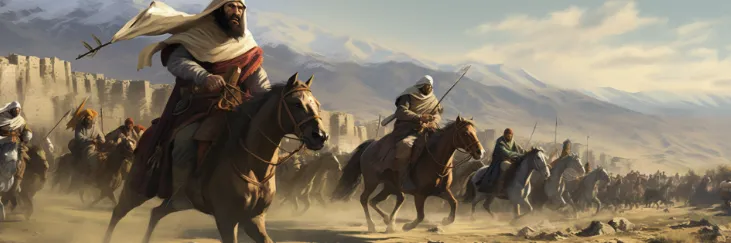
The culture ID for Afghan is afghan.
Commands
Set your own character's culture:
Change the culture of a specific county:
Overview
Afghanistan, located in the heart of Asia, is recognized as a country of unique and vibrant culture which has been influenced by a wide range of factors, such as its geographically strategic position that attracted numerous invaders, traders, and migrants throughout history.
Afghan culture is a mix of various cultures that can be traced back to the Aryan invasion during the 2nd and 3rd millennium BC. Persian, Greek, Maurya, Muslim, Sikh, British, and Soviet cultures have all left their marks, making Afghanistan a melting pot of traditions.
The majority of Afghans follow Islamic traditions that influence their daily lives, including their food, clothing, and social interactions. Afghans are known for their hospitality. Guests, no matter who they are, are treated with utmost respect and served with great food and drinks.
The Pashto and Dari are the official languages of Afghanistan. Many Afghans are bilingual while some can speak in more than two languages. Poetry plays a significant role in Afghan culture. There have been famous poets like Rumi and Khushal Khan Khattak from this region who have significantly contributed to Persian and Pashtun literature.
Afghan cuisine is deeply embedded in its culture, bearing similarities to that of its neighboring nations, Iran and Pakistan, but with unique flavours of its own. The most popular dishes include kabuli pulao (steamed rice with meat), mantu (meat dumplings), and aushak (leek-filled dumplings).
Traditional Afghan clothing is another cultural highlight. Afghan men typically wear a shalwar kameez with a thick woolen hat (pakol) or a turban, while women wear long dresses with a light piece of cloth (hijab) covering their heads.
Afghanistan is also rich in arts and handicrafts, such as carpet weaving, calligraphy, and ceramics. Moreover, music, dance, and sports like the traditional game of Buzkashi are also intrinsic parts of their cultural expressions.
Despite the decades of war and conflict, the resilient Afghan culture, rooted strongly in family and tribal affiliations, has managed to survive and retain its essence in the face of numerous challenges.
Overall, Afghan culture is remarkable for its rich diversity, hospitality, and strong sense of tradition and resilience, providing a fascinating case study of cultural endurance and adaptability.